5 min read

🔶 #73: "What kind of stories are best at turning local news readers into subscribers?"

It’s hard news, not the soft stuff.
Hello, and welcome back to the News Alchemists newsletter!

And a first welcome to new subscribers from Daily Nation, One World Media, 9 Millones, the Knight Center for Journalism in the Americas, Edinburgh TV Festival, and all of you brave souls working independently.

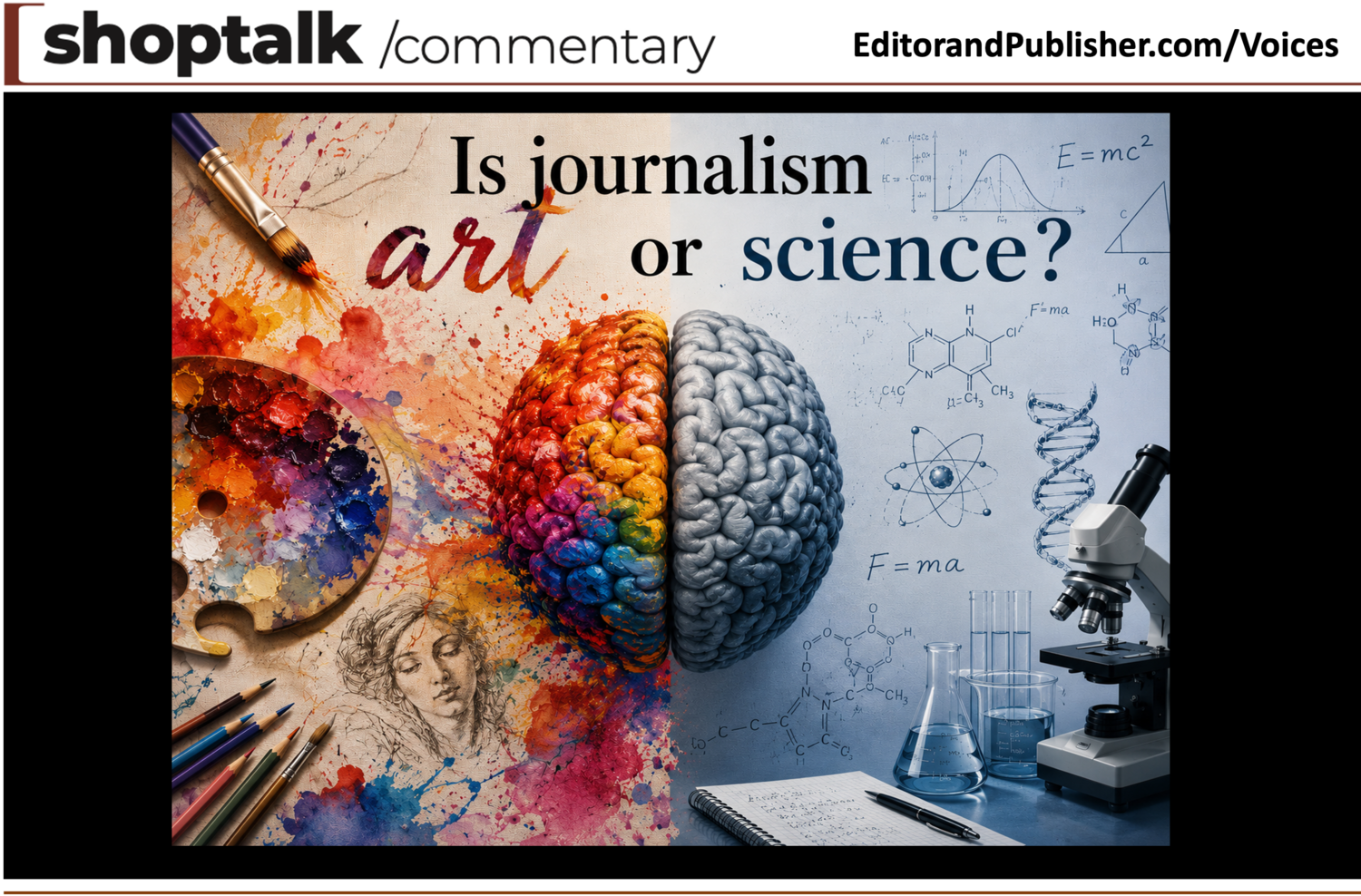
In last week's top link, strategy and audience consultant Cecilia Dobbs asked a fascinating question: Is journalism an art or a science?

A free society requires journalists work like scientists, not artists - Editor and Publisher
What if journalism’s future depends less on acting like artists — and more on thinking like scientists? In this provocative E&P Shoptalk Digital Exclusive, industry product and audience development strategist Cecilia M. Dobbs argues that a free society requires journalism grounded in evidence, objectivity and accountability, not personal expression. Drawing on newsroom culture, scientific methodology and modern media debates, Dobbs explores why journalism’s credibility may depend on embracing standards designed to explain the world, not simply interpret it.

Some of you had thoughts, but one answer in particular stood out – by Jakob Moll, Zetland's co-founder and international director [bold added by me]:

"At their best, works of art and science are conceived and their creation guided with no regard for the reception of the result. This is what makes both relevant.

Artists are invaluable to society exactly because of the radical independence of the perspectives they provide. Science is, at its best, guided by a pursuit of scientific truths rather than conventions or beliefs and untainted by what result might be interesting or useful. 

Journalism is, in the context of its role in society, not only like neither. It is the opposite of both."

That's less of a philosophical debate than it might sound because the answer – or our perception of what the answer should be – has concrete consequences on the practice of journalism itself, as Cecilia explains in her piece (which I encourage you to read if you didn't do it last week).

I think this is a debate worth having, so if you want to share your thoughts – and see what others are saying – you can do it here.

And now, seven more links to make you think and give you hope about reimagining journalism and its role in society.

See you next week 👋


#1 | What kind of stories are best at turning local news readers into subscribers?

In what Joshua Benton – founder of Nieman Lab and its director until 2020 – describes as "one of the most remarkable bits of journalism research I’ve ever read", a group of researchers at Stanford University analysed billions (billions! Sorry.) of visits to a newspaper's website and found out that "willingness to pay in attention is really different than willingness to pay in dollars."

Come for the high-level finding, stay for the nerdy analysis of 'subscription utility', 'optimal staffing', and.. take a deep breath with me... 'estimated ratio of marginal subscription revenue to journalist salary'.

#2 | Journalism's logical fallacy

If I were a much, much better writer, and a much, much better thinker, I would have written this article. Luckily I don't have to, because 🧞Shirish Kulkarni did:

"The established wisdom goes something like this: Journalism is in crisis > AI is accelerating the disruption > therefore we need to find ways to save journalism. The conclusion follows logically enough from that premise. The problem is that the premise itself is wrong. [...] The missing question that very few people are asking is perhaps the only thing we should be thinking about: what do people and communities actually need from us?"

#3 | [Workshop] Metrics that matter

At last week's excellent discussion on #impact – which I'm summarising in a post that I hope to publish next week – 🧞Angilee Shah, CEO and editor-in-chief of 🧩 Charlottesville Tomorrow, shared this workshop on "Metrics that matter [to measure impact" that I thought you might be interested in.

It's taking place this Friday, 10 July, tickets cost $40.00, and beyond learning about their impact tracking system you’ll be able to schedule one-on-one time with the Charlottesville Tomorrow team at no additional charge to get help in developing your own impact metrics.

#4 | Let your journalism live twice

I love this new format by audience strategist 🧞Sudeshna Chanda that turns inspiring newsroom case studies into recipes you can follow to apply the insights to your own organisation – including a list of ingredients and step-by-step instructions.

In this first recipe: How 🧩 BehanBox brings the voices of women and gender diverse persons to the centre of public discourse, one partnership at a time.

#5 | The Newsground turns to coffee to fund investigative journalism

As a coffee lover (I should say 'addict') I can fully get behind this: an investigative news outlet that is focused on accountability and corruption... funded via coffee subscriptions. Yes, please. ☕️

#6 | From loyal readers to sustainable growth: how Project Syndicate is rethinking audience engagement

Could a more personalised reader journey improve engagement, conversions and retention? An experiment by 🧩 Project Syndicate.

#7 | When saving journalism pays better than doing journalism

"A forensic look at the nonprofit journalism economy, where public-interest newsrooms are increasingly funded by philanthropy, managed by professional executive teams, and shaped by the same salary questions they often investigate elsewhere." Someone please do something like this for the journalism support space outside of the US as well.

(Found in 🧞Sarah Alvarez's always-excellent News Fix newsletter.)


Scroll back to the intro for the obvious answer 😉


⇲ The LinkedIn Corner

A section of this email in which I highlight LinkedIn posts written by newsletter readers that, for different reasons, may not make it to the main section, but are still interesting to share.

Two links this week, and it just happens that they are both about AI, but in very different ways:

  1. Sebastián wrote a piece for Fathm sharing "9 myths about AI in journalism - from someone who’s seen them up close".
  2. Jacopo shared how he used Claude to rebuild two data journalism projects that years ago took weeks to produce... in just a couple of days.

🌱 Do you need help growing your media product? I'm your coach.

⚙️ Looking for help with newsletter strategy, audience research, or project management? Let's work together.

🤗 Enjoy this newsletter? Forward it to someone you think might like it too.