๐ถ News Alchemists #45: "How can journalism become more people-centric?"
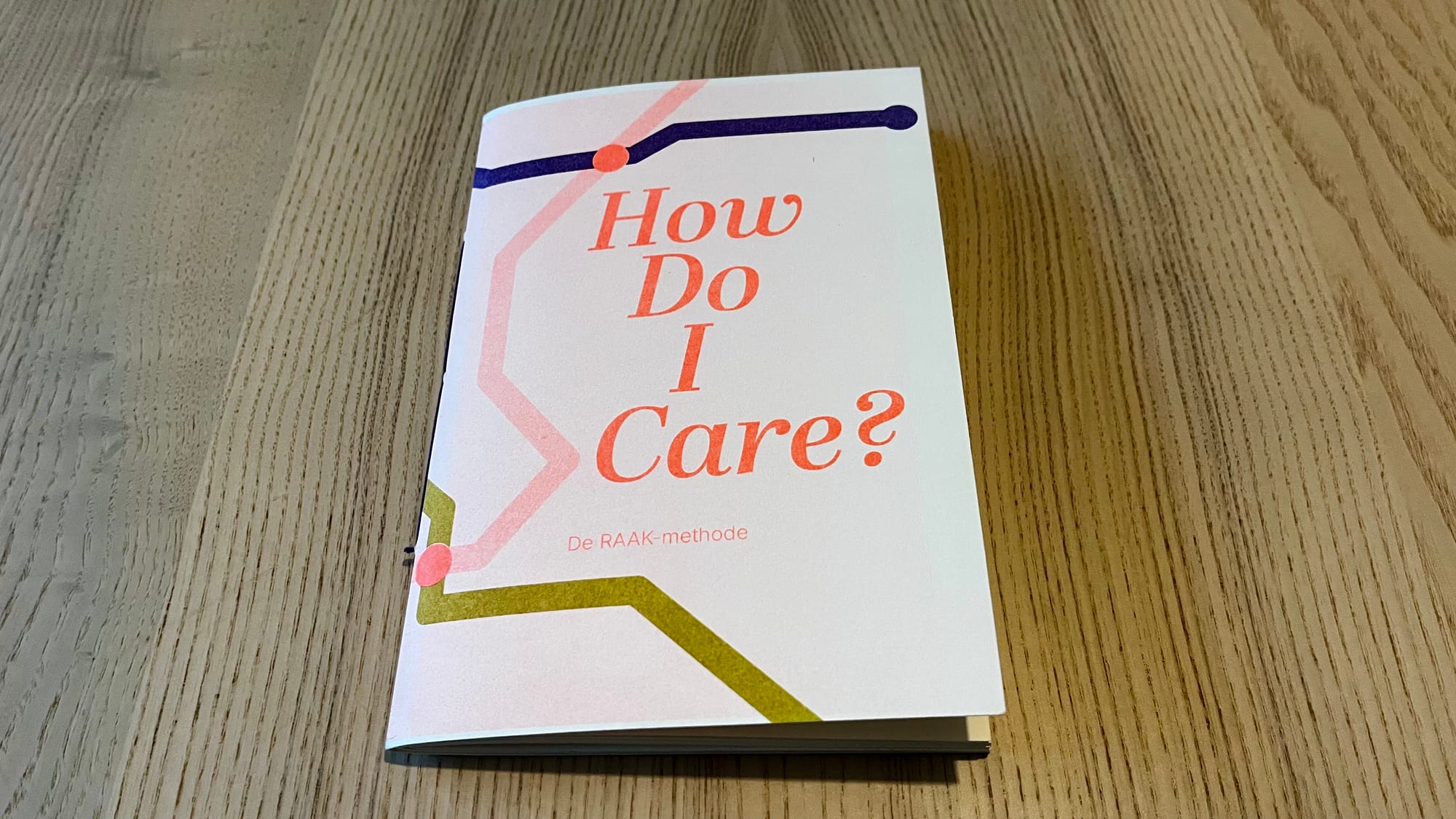
RAAK, a method that creates space for the public in all phases of the journalistic process; de Nieuwstherapieshow, a series of events where therapists and comedians help people process the news; Club PINO, a movement that connects and supports audience-focused innovators across organisations.
Those are some of the projects developed by the participants of the SVDJ Incubator, who I had the opportunity to meet last Friday.
SVDJ is the Dutch Journalism Fund. They invited me to Utrecht to give an "inspiration session" at the closing event of this year's incubator.
(Oh, hi! I forgot to welcome you to the News Alchemists newsletter ๐)
The topic of the day was a familiar one: "How can journalism become more audience-centric?" โ which I updated replacing 'audience-centric' with 'people-centric' because "we often underestimate how much readers appreciate being treated like humans", as Sudeshna reminded us a couple of editions ago.
As I often do, I shaped the session as a conversation with the people in the room, trying to play the role of facilitator rather than speaker. I did that by building the session around five questions:
- Why does journalism need to become more people-centric?
- What change does people-centric journalism aim to produce?
- What does people-centric journalism look like?
- What prevents journalism from being more people-centric?
- Will being people-centric make us any money?
The responses I received were fascinating, sometimes surprising. So I thought I'd bounce those same questions to you, and use them as an opportunity for another round of collective reflection, to better understand this people-centric approach we're exploring together.
What would be your answers to those five questions?
Next week I will let you know about the answers I receive, so we can continue putting this puzzle together ๐งฉ
(If you're curious, here are the slides I used last week. Not much text in them, it's mostly a bunch of screenshots โ but you can click on them to get to the sources I used.)
Validation > Inspiration (?)
I was told that the session in Utrecht went very well, but can I confess something? I was massively stressed out in preparing it. And that didn't make sense.
First of all, I never had any problem with public speaking. I lost that fear at 16, interviewing 'personalities' of my hometown (politicians, writers, athletes, etc) every Saturday afternoon on a local radio station, Radio San Donร . Which is also the origin story of my relationship with journalism, by the way.
I had also already given similar presentations multiple times this year. And yet I felt anxious in preparing it, worrying it wouldn't be interesting enough, or inspiring enough; that I wouldn't be able to create a cohesive narrative, and that participants of the incubator would think something along the lines of: "Dude, we've been talking about these things for months already."
But everything went well. People came up to me after the session to tell me how much they enjoyed it, and how valuable it was for them to see the principles behind the projects they developed reflected in my presentation.
Blinded by the anxiety I forgot that sometimes we need validation even more than inspiration or new ideas. We need to feel that we're not alone โ especially when trying to change things is so hard โ and that we're not crazy to believe that things need to change in the first place.
It's not a coincidence that, the day before the session, I managed to finally see a light at the end of the anxiety tunnel only when I reminded myself to aim to facilitate a conversation rather than to provide inspiration.
So that's my goal for 2026: to facilitate more conversations about journalism, off-line and on; because this people-centric change won't happen if we don't support each other and get more and more people behind it.
Longest intro in a while, with already enough links to click on, so no seven links this week. Always a good occasion to catch up with links you didn't have enough time to explore in the past editions.
For example, if you have not checked them already, I'd recommend these links about cool organisations doing cool things in a people-centric way:
๐ธ From #36: In Uruguay, this newspaper builds journalism with radio, documentaries โ and its readers ๐ LINK
๐ธ From #37: Doing User Needs right: The Bureau of Investigative Journalism share their secrets ๐ LINK
๐ธ From #38: How this Indonesian news outlet gets โterminally onlineโ Gen-Z to care about politics ๐ LINK
๐ธ From #39: Bristol Cable launches hybrid news and social networking app in bid to double membership ๐ LINK
That's all for today. See you next week!
And the most clicked link from the previous edition is... ๐ฅ
The one whose headline-question I answered with a resolute "Yes": Should journalists try to make change in the world? ๐ LINK
Seven links are not enough? How about 200+?

The Dutch are running away with the bronze ๐ฅ
There is a cheeky slide I end all my presentations with. This one:

It never fails to bring in some new subscribers, and it did so even more than usual last Friday in Utrecht, when I harnessed some good old national pride: I told the people in the room at the SVDJ event that the Netherlands was already the third country most represented among my readers... but that other countries were catching up. (Witch, to be clear, was true.)
A dozen new Dutch subscribers later, the Netherlands is running away with that bronze medal.
If you are from any other country, don't you want more of your compatriots to join the people-centric movement? Forward them this email and invite them to sign up to reopen the race!
๐ฅ= ๐บ๐ธ / ๐ฅ= ๐ฌ๐ง / ๐ฅ= ๐ณ๐ฑ / ๐= ๐ฉ๐ช ๐ฎ๐น ๐ซ๐ท ๐ง๐ท ๐ฆ๐ท ๐จ๐ฆ ๐ช๐ธ ๐ง๐ช ๐ฟ๐ฆ ๐ฉ๐ฐ ...
Member discussion