

πΆ News Alchemists #50: RISJ's Trends & Predictions. What else?

Hello and welcome to the... checks notes... 50th edition of the News Alchemists newsletter! π±
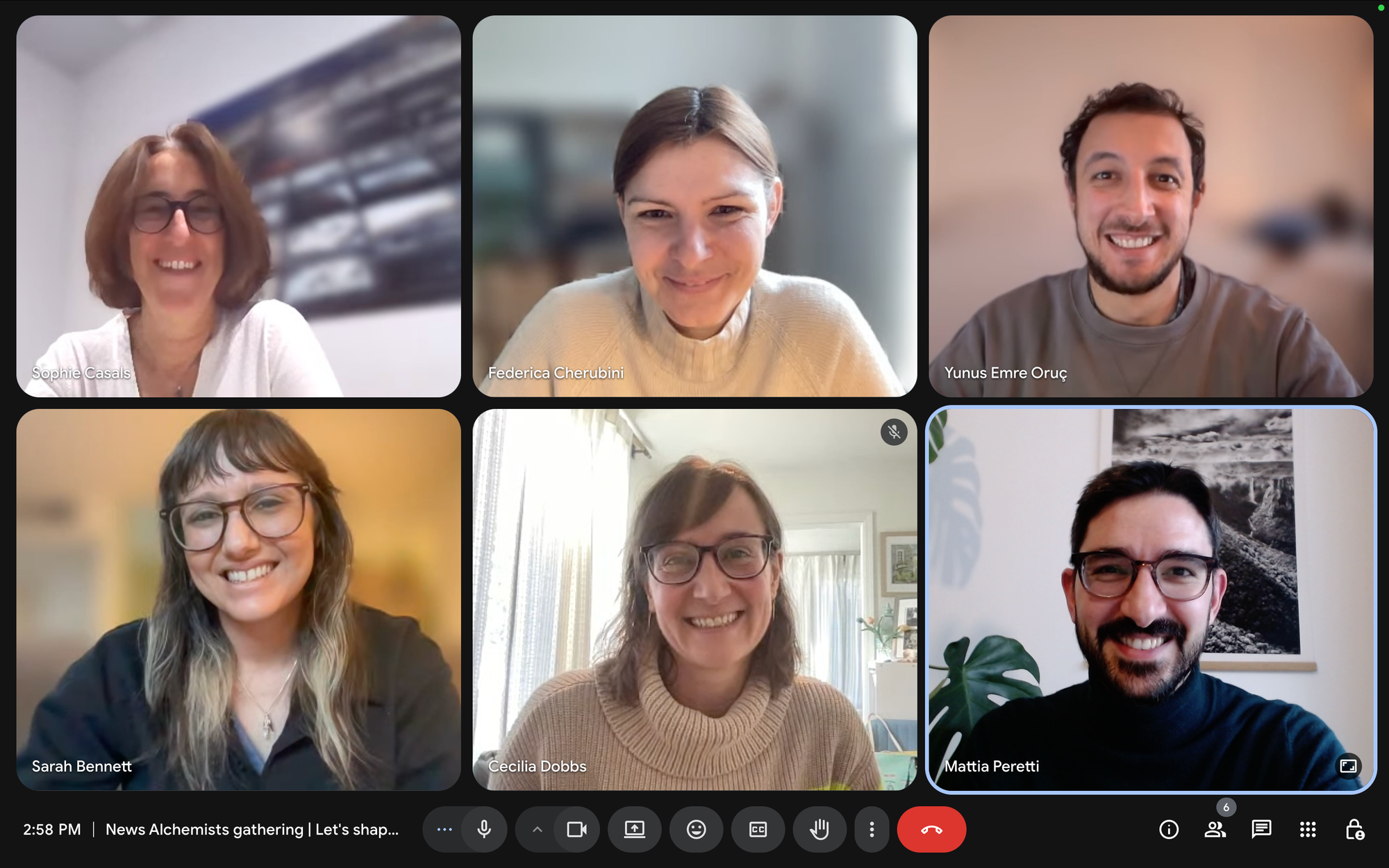
I celebrated the anniversary in advance, by hanging out online with some of you last Friday to share my plans for growing News Alchemists this year and to get your feedback.
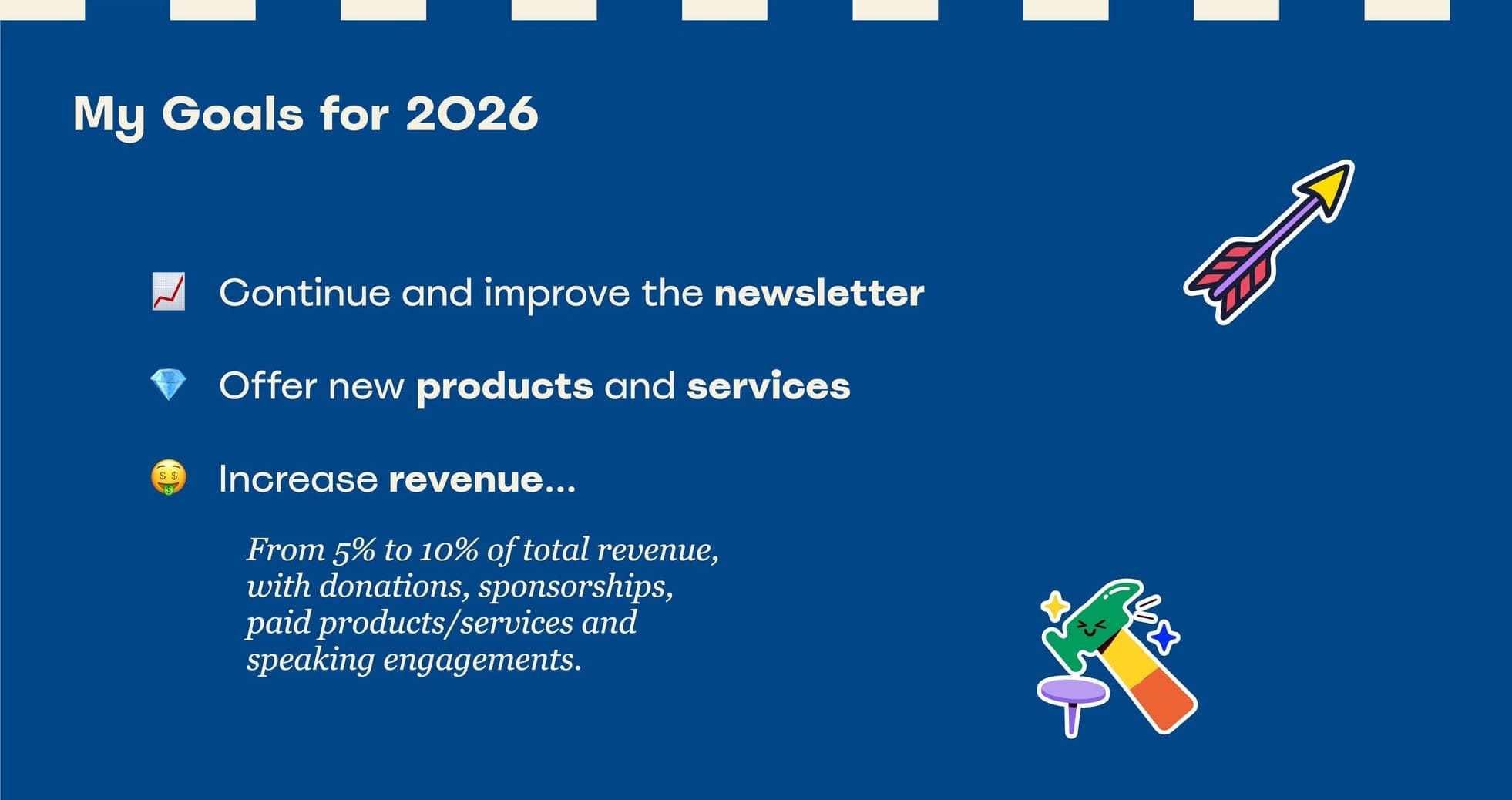
It was an inspiring conversation, in which we talked about the importance of human curation in these AI-driven times, and the value of finding a community who shares our people-centric vision for journalism, so that we can feel less lonely in fighting the good fight.
You will see the impact of last week's conversation in these emails (and beyond) over the following weeks. Stay tuned.
Journalism, media, and technology trends and predictions 2026
Yesterday the Reuters Institute published the Trends & Predictions report, authored by π§Nic Newman, one of my favourite January traditions that helps us start the year with a snapshot of what 'media leaders' are thinking, hoping, and dreading about the year ahead.
From the very first paragraph, the situation is clear:
We are still at the early stages of another big shift in technology (Generative AI) which threatens to upend the news industry by offering more efficient ways of accessing and distilling information at scale. At the same time, creators and influencers (humans) are driving a shift towards personality-led news, at the expense of media institutions that can often feel less relevant, less interesting, and less authentic. In 2026 the news media are likely to be further squeezed by these two powerful forces.
AI and creators. Powerful forces the industry is grappling with. We need to pay attention. But here's the thing: it doesn't mean that everything we do should be about those two things.
Our focus is the audience β or the people we aim to serve, as I prefer to say β and how we can be of value to them. Let's not forget that.
You don't need to take that from me. From the very first paragraph, jump all the way to the last one β and maybe print these words and keep them somewhere you can see them every day:
This yearβs survey shows that news executives recognise the challenges ahead and are up for the fight. The industry may get smaller overall, with some attention going elsewhere, but businesses that ultimately thrive are likely to be those that have a clear sense of their role and of the value they can create for specific audiences. That is also likely to mean more joined-up organisations, clear about their values but also able to embrace change so they can take advantage of the opportunities to come.
Just one more thing from the report:
Only slightly more than a third (38%) of our sample of editors, CEOs, and digital executives say they are confident about the prospects for journalism in the year ahead β thatβs 22pp lower than four years ago.
Forward this newsletter to your boss. Apparently they need some hope too π
Alright, I've said my piece. What I'm most interested in is what stood out to you from the report? Reply to let me know. I'll share the responses in next week's newsletter.
Time to move to the links π Only three instead of the usual seven because the Trends & Predictions report is worth four links by itself at least.
See you next week! π
P.S.: Last week I closed the email by asking for your opinion on the images I added to the website: the approval rating stands at 80% so the photos stay. Thank you!
1. Beyond scale. How media is redefining value in 2025 π LINK
Don't be fooled by the title: 2025 is not an expiry date. This guide is still relevant for this year. It was put together by the Center for Sustainable Media, led by π§Peter Erdelyi, and its objective is simple: helping you become one of those businesses that, according to the Reuters Institute's report, thrive because they have "a clear sense of their role and of the value they can create for specific audiences."
The guide is organised in three parts β and if you just read Trends & Predictions, you can probably skip the first one β but the other two are well worth your time:
The second section turns inward, focusing on clarity: understanding user needs, articulating a unique value proposition, and using tools like value curves to diagnose where your work genuinely stands out and where it doesnβt.
And the final section looks under the hood, at the publishing technology stack: how to choose the right systems, when to build and when to buy, how to avoid the traps that drain capacity, and how to match your CMS and workflow decisions to your actual strategic priorities.
2. News is not made for me: A novel scale for measuring audience alienation from news π LINK
An academic paper published last year in the Journalism journal (I know, what a great idea to call a journal "Journalism", huh?) developed a method to understand what makes people feel that news is not made for them:
We find that people who score higher on the βNews is Not Made for Meβ scale tend to be younger, have greater attention problems, lower socioeconomic backgrounds, express lower news self-efficacy, and have greater interest in soft news. We also find that people who believe news is not made for them tend to avoid news more often (despite also reporting higher levels of news consumption), score lower on current affairs knowledge, and score higher on belief in misinformation.
3. Journalism will rediscover its role as convener. π LINK
I talked before about this (in the very first newsletter edition that I sent via email actually) but this post by π§Steven Overly of POLITICO still made me think, because it highlights how news consumption used to be a communal experience β "the morning newspaper was a kitchen table staple and the evening news was appointment television" β until the internet, social media, and the fixation on personalisation turned it into an individual (lonely?) experience. I share Steven's hope:
In 2026, my hope is that journalism will find a path back to bringing people together. Sometimes physically, such as at live events and podcast tapings. But also in less centralized ways; a modern version of gathering to watch the nightly news. I think thereβs a real hunger for that. People are increasingly unsure about whatβs real and what matters, and the news should once again be a source of connection and trust.
And the most clicked link from the previous edition is... π₯
Millie Tran's unofficial prediction for 2026: "Build for people, not platforms. Build for feeling, not formats."
My 2025 Freelance Year in Review
I'm putting this here at the bottom of the email because I know that not everyone is interested in this how-the-sausage-is-made type of content. If you are, this is for you:

I wrote a post to take stock of my first full year working freelance, reflecting on how things went and what my goals are for 2026. It includes a breakdown of the revenue I made in 2025 β because we don't talk enough about money, and we should.
I sound like a broken record but, obviously, if anything in the post resonates with you, or if you have any questions about it, I'd love to hear from you π

Member discussion